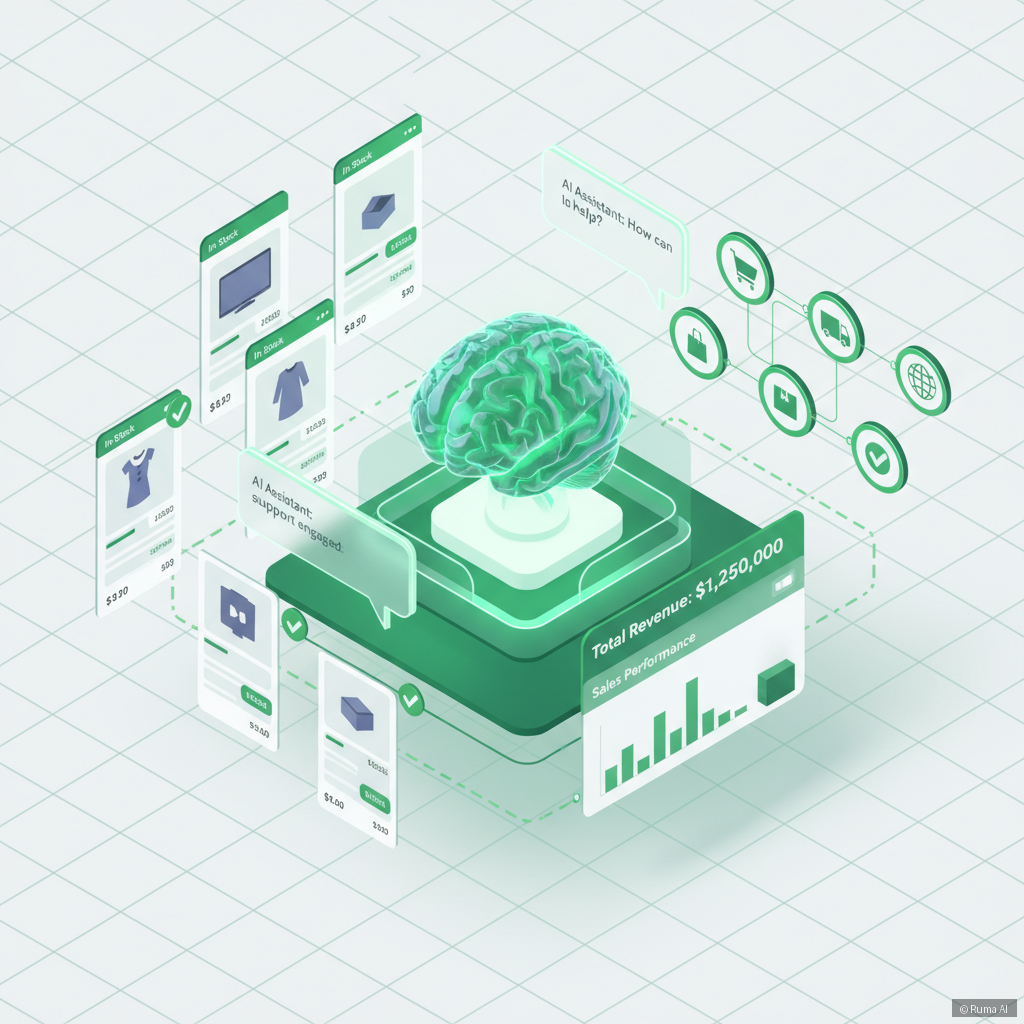
The Math Nobody Talks About in E-Commerce Support
Here's a number that should stop you mid-scroll: the average e-commerce store spends $15–$35 per resolved support ticket when you factor in agent salaries, training, software, and turnover. Multiply that by 500 tickets a month — a completely normal volume for a growing Shopify or WooCommerce store — and you're looking at up to $17,500 walking out the door every single month just to answer questions like "where's my order?" and "do you have this in blue?"
That's not a support department. That's a money leak.
The conversation around AI customer support for e-commerce has hit a genuine inflection point in 2026. It's no longer about chatbots that answer FAQs with a script. The new generation of agentic AI — systems that reason, decide, and act independently — is doing things that would have seemed like science fiction three years ago.

What "Agentic" Actually Means (And Why It Matters for Your Store)
Most people hear "AI chatbot" and picture a glorified FAQ page. That mental model is outdated.
Agentic AI doesn't just retrieve answers — it takes action. Think of it like hiring a support rep who can simultaneously:
- Look up a customer's order in real time
- Apply a discount coupon to their cart
- Book a callback with your team if things escalate
- Push the customer's details into your CRM without anyone lifting a finger
- Send a follow-up email — automatically
That's not a chatbot. That's an autonomous support agent working 24/7 at a fraction of the cost.
This is exactly the architecture behind Ruma AI — a platform built around the idea that AI should do, not just say. With 13 integrated AI tools including order tracking, product search, coupon application, lead capture, OTP verification, and human handoff, Ruma's agentic AI decides in real time which tools to use based on what the customer actually needs.
The ROI Case: Three Scenarios That Actually Happen
Scenario 1: The WooCommerce Store Drowning in Order Queries
A UK-based homeware brand running WooCommerce gets roughly 400 support messages a week. About 65% of them are order status questions. With the WordPress AI Plugin, the AI plugs directly into WooCommerce — reading live order data, tracking statuses, flagging delays — and handles those 260 repetitive tickets without a human touching them.
At $20 per ticket saved, that's $5,200 back per week. The plugin pays for itself in hours.
Scenario 2: The Shopify Store Losing Sales at Checkout
Cart abandonment averages around 70% industry-wide. A lot of that happens because customers have last-minute questions and there's nobody to answer them at 11pm.
The Shopify AI Agent sits right in the checkout flow, answering size questions, applying discount codes, and even nudging upsells — all without a human agent on duty. Stores using this kind of AI support report conversion rate lifts of 15–25% on assisted sessions. That's not a support cost — that's a revenue driver.
Scenario 3: The Bootstrapped Brand With No Website Yet
Not every business has a polished storefront. Some are selling through Instagram DMs and WhatsApp. The Standalone AI Agent deploys directly to WhatsApp Business, Telegram, or even voice channels — no website required. For lean operations, this is the fastest path to professional, consistent support without hiring.
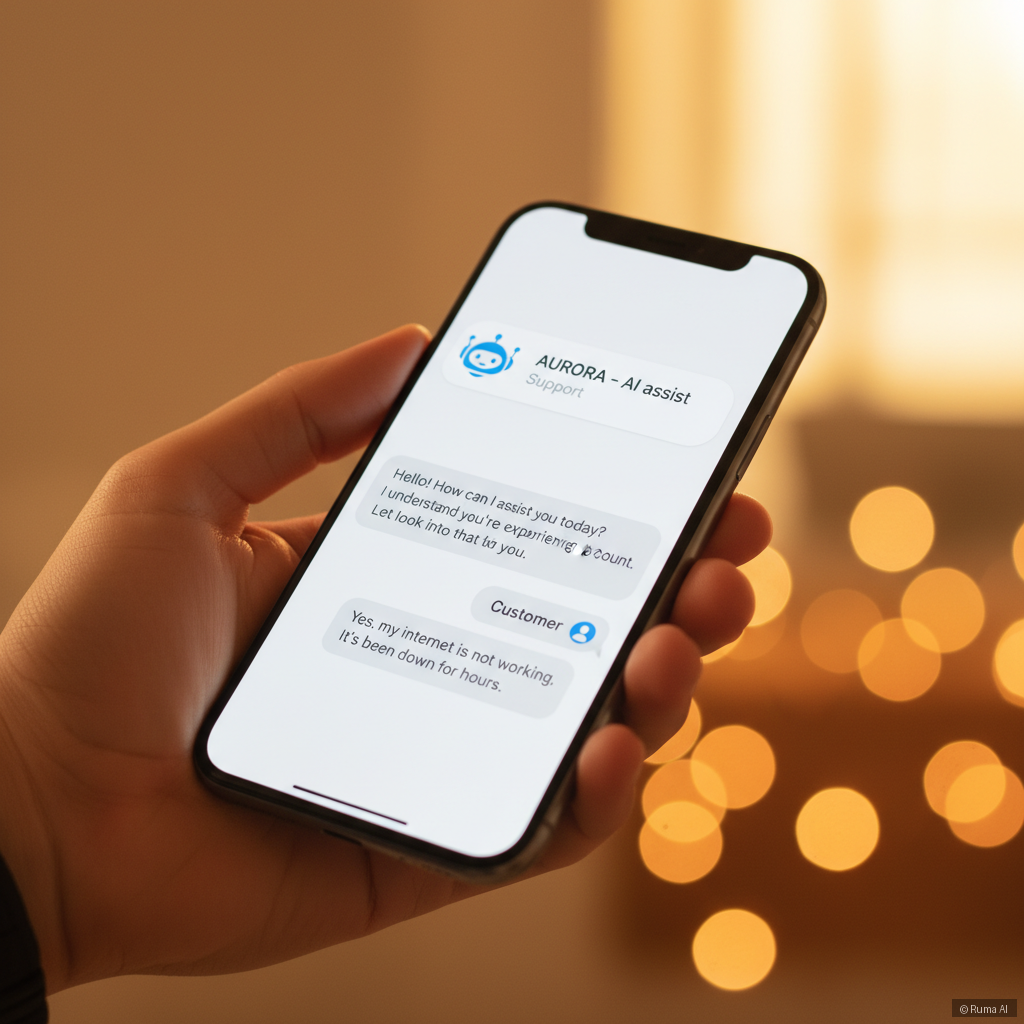
The Hidden ROI: What the Spreadsheet Doesn't Show
Cost savings are the obvious win. But the less-discussed ROI of e-commerce AI automation is what it does to your team's quality of work.
When your human agents stop answering the same five questions on a loop, something shifts. They start handling complex issues — returns disputes, VIP customer escalations, wholesale inquiries — with more focus and less burnout. Turnover drops. Training costs drop. Morale goes up.
Ruma AI's live agent handoff feature is built for exactly this. The AI handles the volume. When a situation genuinely needs a human, it transfers seamlessly via WebSocket — with full conversation context already loaded. No repeating. No frustration.
And when a lead is captured? It gets pushed automatically to HubSpot, Salesforce, or Zoho CRM — zero manual data entry.
How to Implement This Without a Six-Month IT Project
One of the biggest myths about AI customer support is that it's complex to deploy. For most small-medium businesses, it genuinely isn't.
Here's the honest path:
Ruma AI's free plan gives you 100 messages per month to test the whole thing without a credit card. Paid plans start at just $9/month — less than a single support ticket under the old model.
View pricing to find the tier that fits your volume.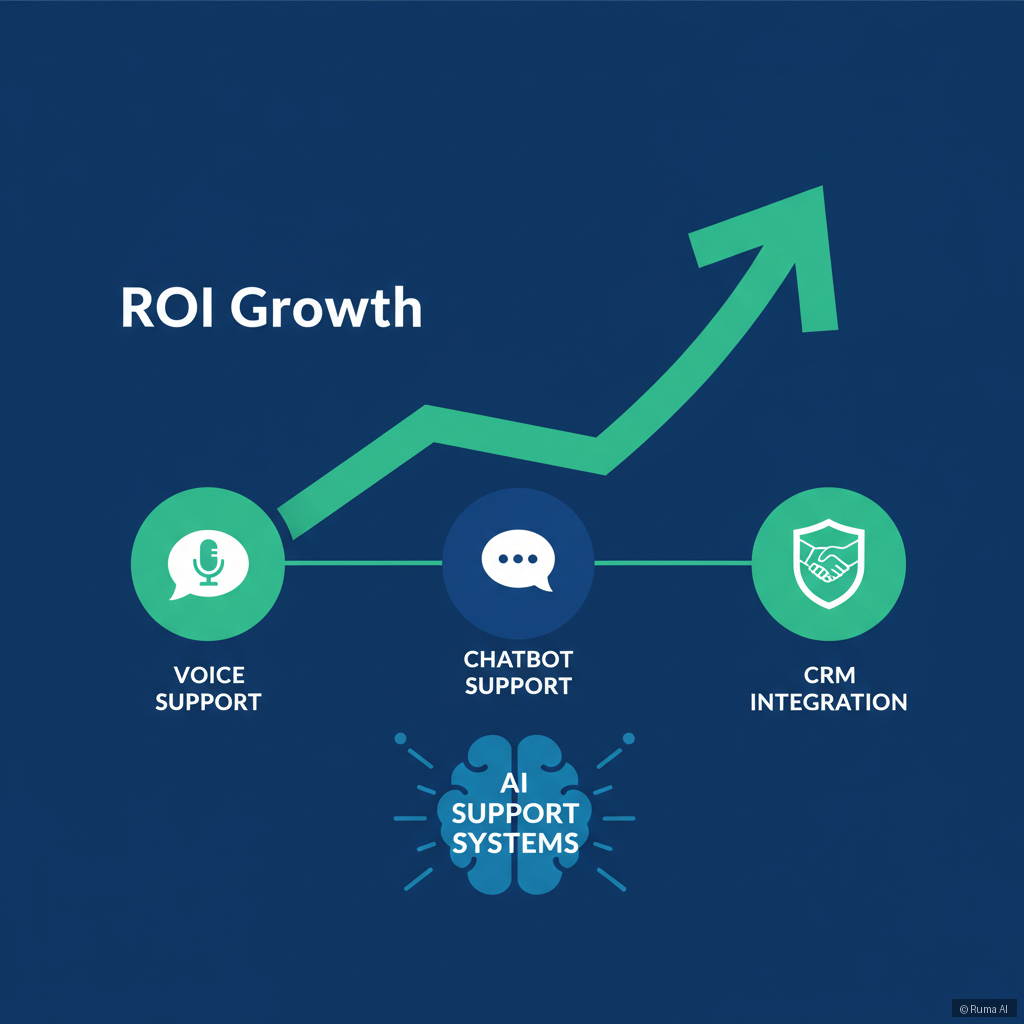
The Bottom Line
E-commerce support in 2026 is a competitive advantage — but only if you stop treating it like a cost center. The stores winning right now are the ones using agentic AI not just to deflect tickets, but to convert browsers, retain customers, and free up their best people for work that actually requires a human.
The technology is mature. The price point is accessible. The ROI is documented.
The only question is how long you want to keep paying $25 a ticket for questions a machine can answer in three seconds.
If you're ready to see what this looks like for your store, start free with Ruma AI — no setup fees, no long-term contracts, and no IT team required.
Frequently Asked Questions
How much can AI customer support actually save an e-commerce business?
It varies by ticket volume and current support costs, but most small-to-medium stores see 40–65% reduction in support costs within the first 90 days. The savings compound when you factor in reduced agent turnover and the revenue lift from faster response times during checkout.
Is agentic AI difficult to set up for a non-technical business owner?
Not with the right platform. Ruma AI offers a one-click WordPress plugin, a native Shopify integration, and a single-line embed script for custom sites. Most stores are live within an afternoon — no developers needed.
Can AI handle support in multiple languages for international stores?
Absolutely. Ruma AI supports 50+ languages natively, so whether your customers are in the US, UK, Australia, or anywhere else, the AI responds fluently in their language — automatically detecting it from the conversation.